

Introduction
Your HVAC system plays a crucial role in maintaining indoor comfort throughout the year. Without proper maintenance, it can lose efficiency, increase energy costs, and lead to unexpected breakdowns. Regular HVAC maintenance not only ensures optimal performance but also helps extend the life of your system and improve indoor air quality.
1. Change Air Filters Regularly
Air filters trap dust, dirt, and allergens, but when they become clogged, they restrict airflow and reduce efficiency.
Best Practice:
- Replace filters every 1 to 3 months
- Check more frequently during heavy usage
2. Clean Air Vents and Registers
Blocked or dirty vents can disrupt airflow and reduce system performance.
What to do:
- Remove dust and debris from vents
- Ensure vents are not blocked by furniture
3. Inspect and Clean Coils
Evaporator and condenser coils collect dirt over time, which reduces heat absorption and cooling efficiency.
Maintenance Tip:
- Clean coils annually
- Schedule professional cleaning if needed
4. Check Thermostat Settings
Incorrect thermostat settings can lead to unnecessary energy usage.
Tip:
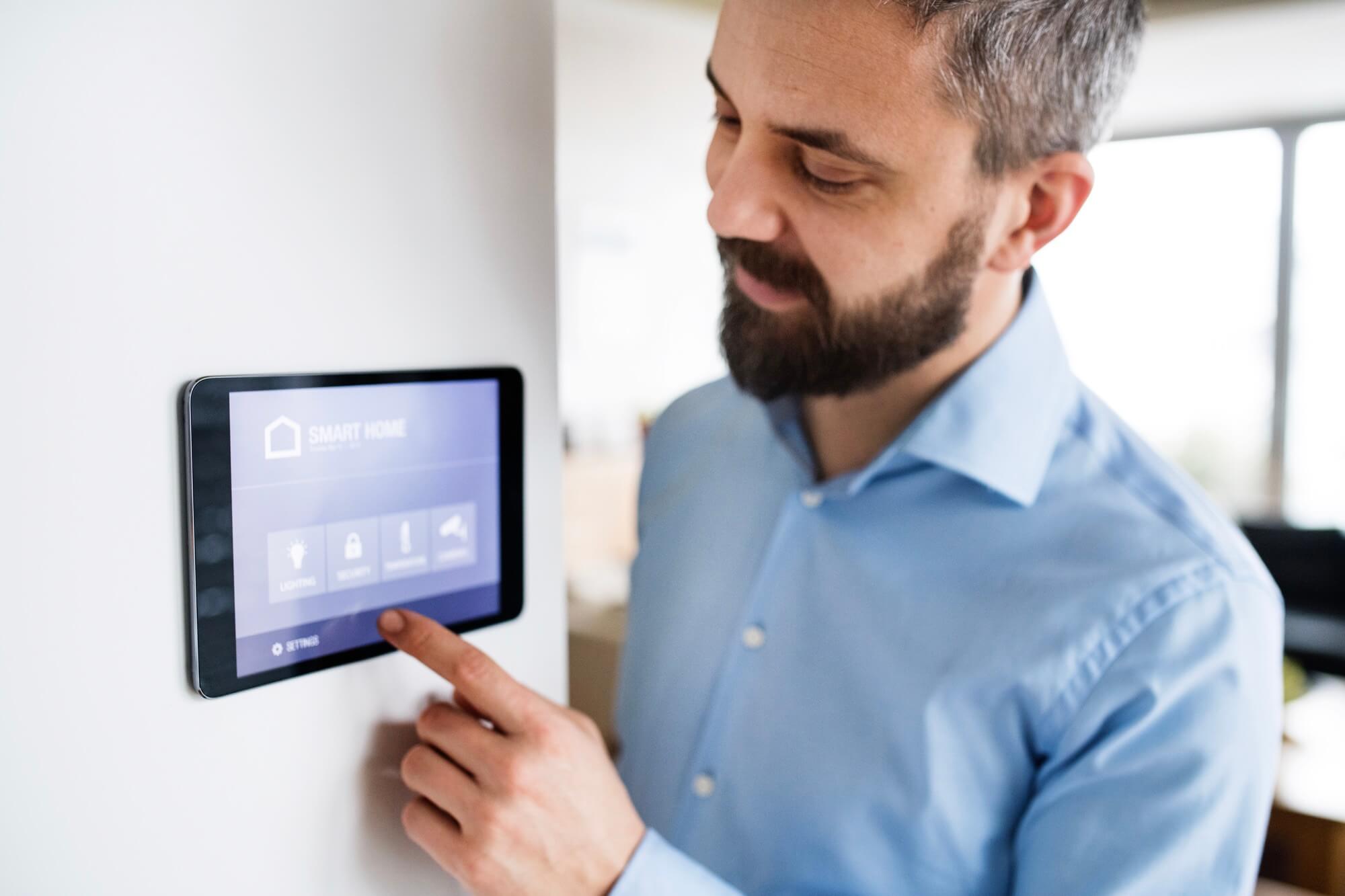
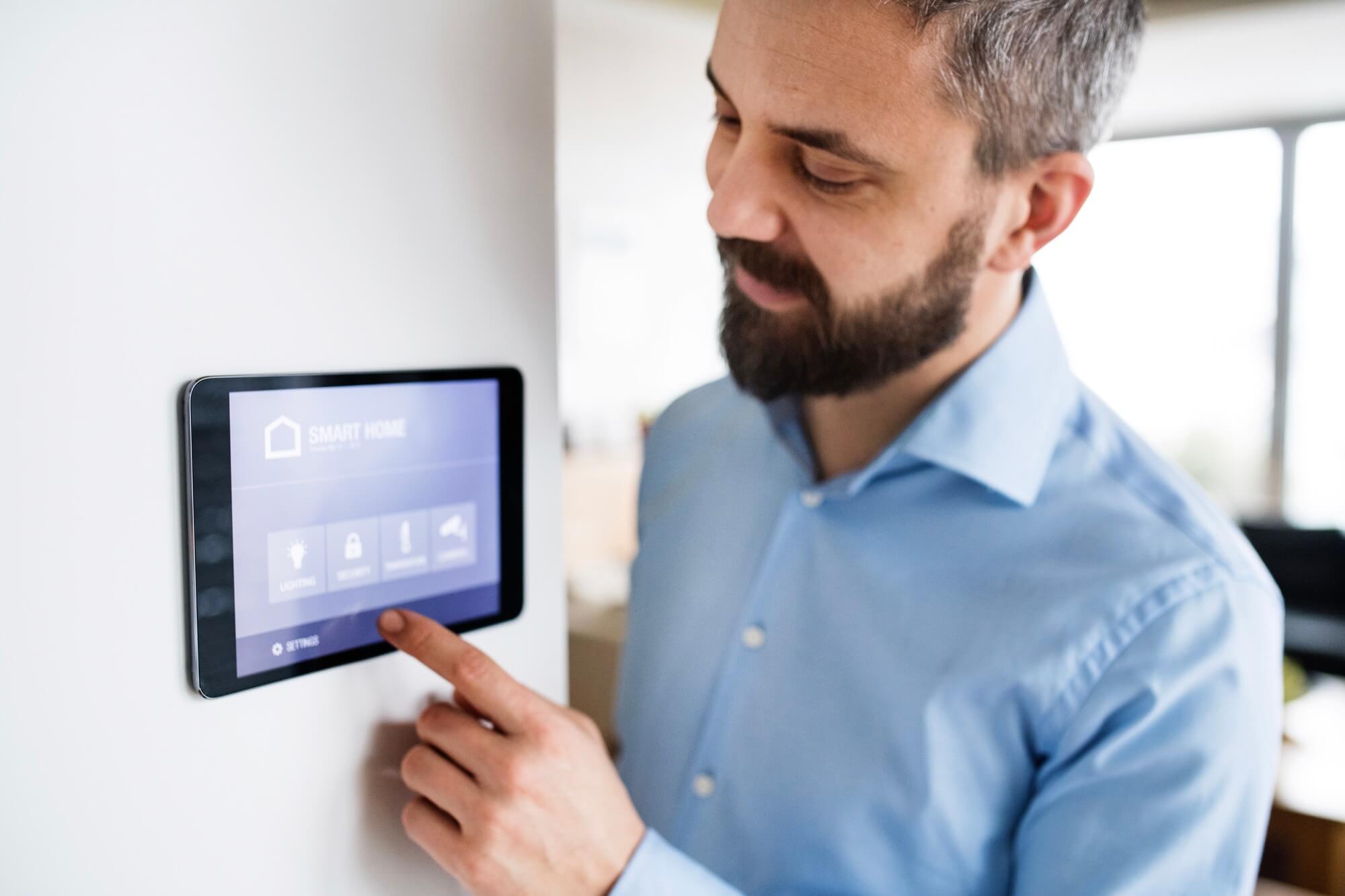
- Use a programmable or smart thermostat
- Adjust settings based on your schedule
5. Inspect Ductwork for Leaks
Leaky ducts can cause significant energy loss and uneven cooling.
Common Signs:
- Rooms cooling unevenly
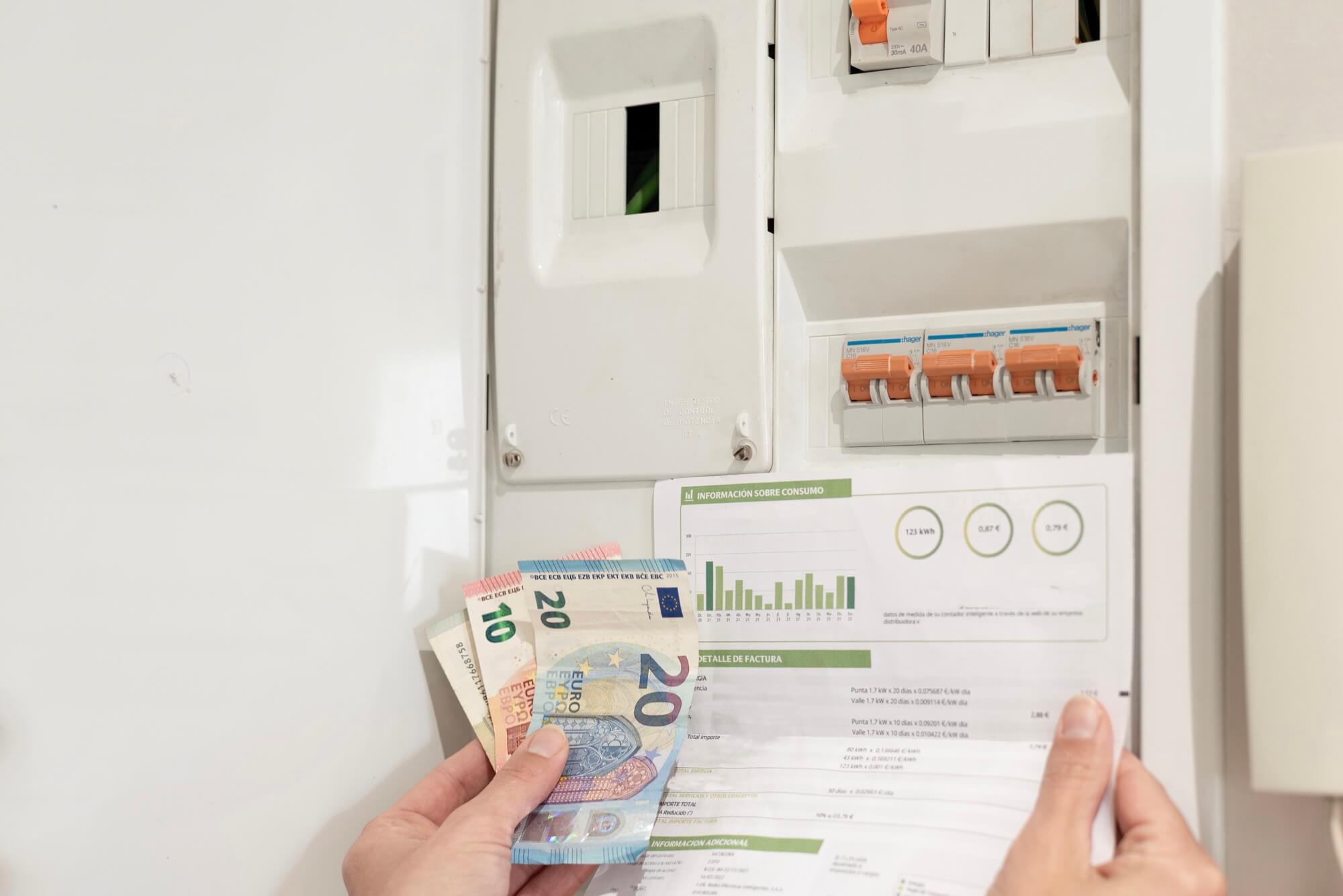
- Higher energy bills
- Visible gaps or disconnected ducts
6. Keep Outdoor Unit Clean
The outdoor condenser unit needs proper airflow to function efficiently.
Maintenance Steps:
- Remove leaves, dirt, and debris
- Keep at least 2 feet of clear space around the unit
7. Schedule Professional Maintenance
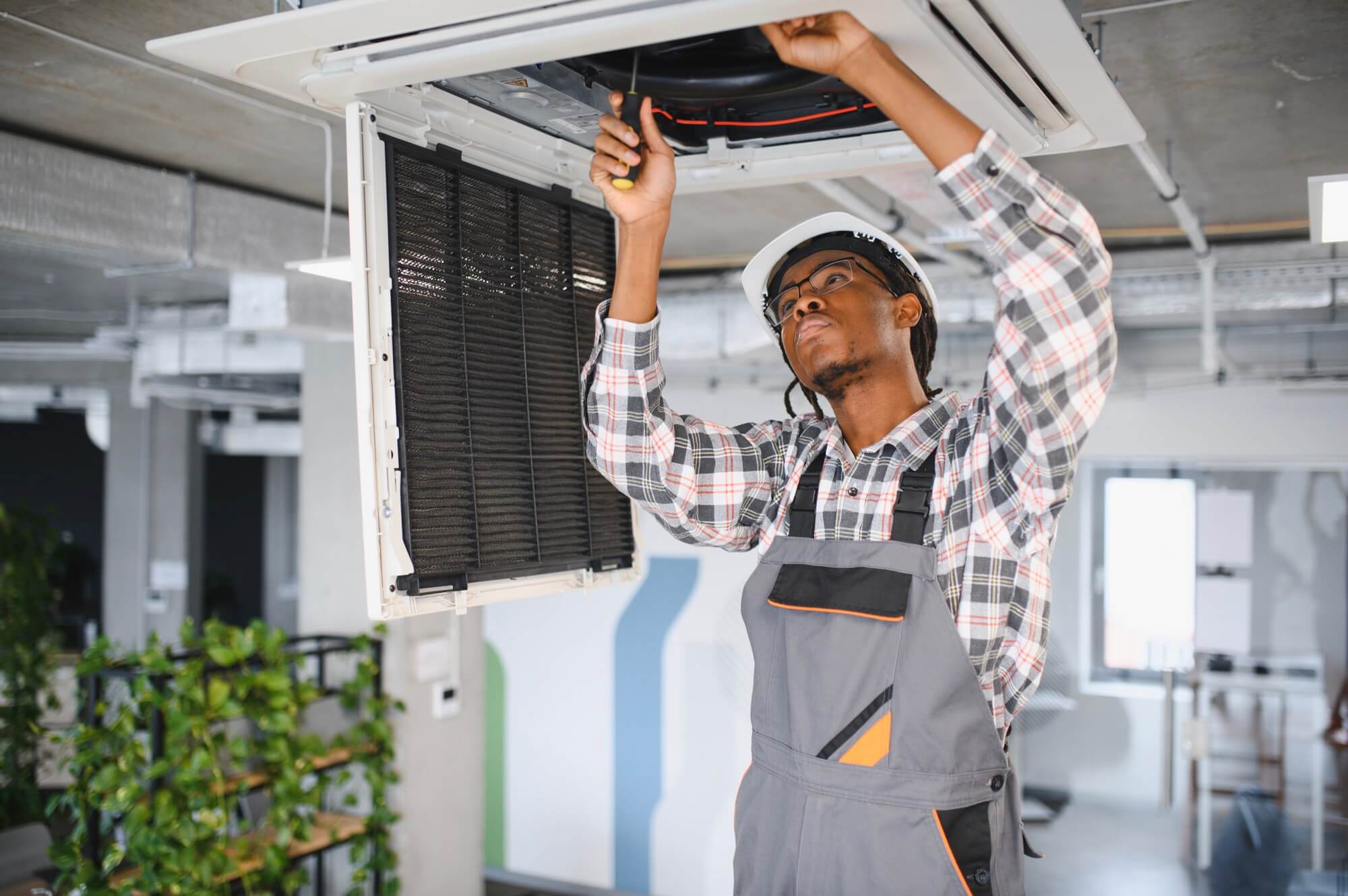
Annual inspections by HVAC professionals help identify issues early and ensure your system is running efficiently.
Includes:
- System inspection
- Refrigerant level check
- Electrical component testing
8. Monitor System Performance
Pay attention to unusual noises, weak airflow, or inconsistent temperatures.
Act Early:
Addressing small issues quickly can prevent costly repairs later.
Conclusion
Regular HVAC maintenance is essential for keeping your system efficient, reliable, and long-lasting. By following these simple steps and scheduling routine professional checkups, you can avoid unexpected breakdowns, improve indoor comfort, and reduce energy costs throughout the year.